







 新华报业网
新华报业网
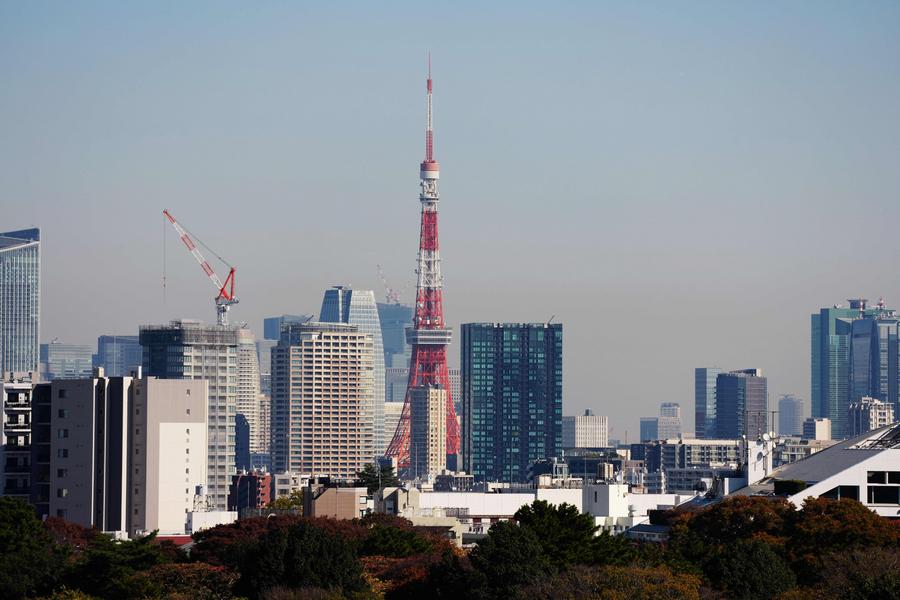
This photo shows the Tokyo Tower and the city view in Tokyo, Japan, Nov 17, 2025. [Photo/Xinhua]
Japan's plan to loosen restrictions on arms exports has drawn growing domestic concern, with experts and the public warning the move could heighten tensions and put the country on a dangerous path.
Kyodo News reported that the government is considering a revision to the Three Principles on Transfer of Defense Equipment and Technology restrictions and related guidelines this month, with details of the plan largely finalized.
Makoto Konishi, a former Self-Defense Forces officer, said the move would effectively turn Japan into a major arms exporter.
Amid prolonged economic stagnation, Japan continues to ramp up military-related spending, making it increasingly difficult to reverse course, Konishi said, adding that the position of the country's pacifist constitution has become increasingly unclear.
The Three Principles regulate the export of military equipment. They prohibit certain overseas transfers, allow limited cases under strict review and transparency requirements, and ensure oversight to prevent unauthorized use or third-party transfers.
Kyodo News, citing sources, said the draft revision would allow the export of lethal weapons in principle — a shift from the current restriction to noncombat equipment. It would also introduce exceptions for exports to countries involved in conflicts and replace prior parliamentary approval with ex post facto reporting.
The proposal faced no significant opposition at a meeting on Monday and could be submitted as early as next week to the security affairs research council of the ruling Liberal Democratic Party for review.
Konishi said the government's continued increase in defense spending and its push to revise the three security restrictions go beyond enhancing defense capabilities and amount to the gradual construction of a war-oriented framework.
"This process will not only heighten public anxiety but also put Japan on a dangerous path," he said.
Record-high budget
According to Japanese media reports, the fiscal 2026 budget, which allocates funds through March 2027, was approved by a majority vote on Tuesday at a plenary session of the House of Councillors.
The record-high total budget exceeds 122 trillion yen ($770 billion), with defense spending surpassing 9 trillion yen for the first time.
Jusen Asuka, an emeritus professor at Tohoku University in Sendai, Japan, said the country faces an energy dilemma and should prioritize livelihoods over raising defense spending.
From an economic perspective, increased investment in the defense industry may not effectively boost GDP, because much of the spending goes to purchasing weapons from the United States, with funds ultimately flowing abroad, Asuka said.
He expressed opposition to revising the export principles, saying that Prime Minister Sanae Takaichi is pushing ahead with the move after coming to power.
Such changes, including to the constitution, challenge long-standing principles that Japan has upheld, he said.
Many people oppose constitutional revision, he added, pointing to protests that had been taking place across the country.
Demonstrators gathered outside the National Diet of Japan in Tokyo on Wednesday, chanting slogans such as "No to war" and calling on Takaichi to uphold the constitution.
Similar demonstrations were reported nationwide, with protests at more than 100 locations.
On X, campaigners behind the "Protect the Pacifist Constitution" initiative called for participation and urged media outlets, including national broadcaster NHK, to cover the events.
In front of the Ikebukuro Station in Tokyo, opposition party figures and large numbers of citizens gathered on Sunday to protest the easing of arms export restrictions and military expansion, voicing concern over their country's future direction.
Tetsu Tatara, a representative of the protest organizers, said that the government's push for large-scale military expansion and arms exports "goes against public opinion".
Such moves, justified by the so-called "China threat", have fueled growing concerns and prompted more citizens to speak out, he said.
Organizers said that more than 6,000 people attended the rally, holding signs such as "Force does not bring peace" and "Takaichi step down", while chanting anti-war slogans.
If you have any problems with this article, please contact us at app@chinadaily.com.cn and we'll immediately get back to you.












 Android版
 iPhone版