







 新华报业网
新华报业网
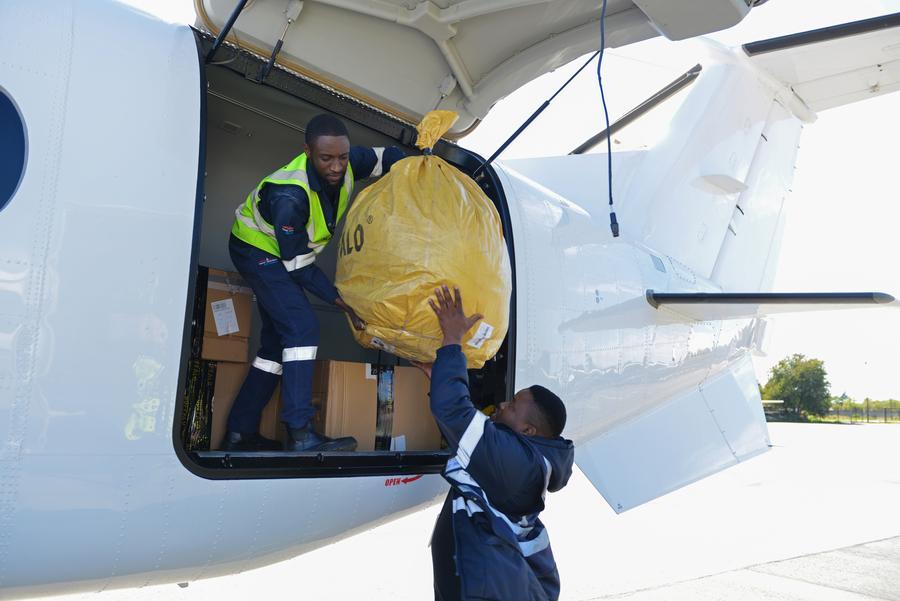
Effective on May 1, the zero-tariff treatment, together with an upgraded "green channel" for African agro exports, reaffirms China's commitment to a high-level opening up and is expected to facilitate deeper China-Africa cooperation in trade and investment.
JOHANNESBURG, May 4 (Xinhua) -- Analysts have welcomed China's zero-tariff treatment to 53 African countries with which it has diplomatic relations, highlighting its significance to boosting the continent's industrial development and participation in global value chains.
Effective on May 1, the zero-tariff treatment, together with an upgraded "green channel" for African agro exports, reaffirms China's commitment to a high-level opening up and is expected to facilitate deeper China-Africa cooperation in trade and investment.
Experts said the zero-tariff measure comes at a critical moment as many African economies seek to shift from reliance on primary commodity exports toward value-added production and to diversify trade structures.
"The policy directly supports Africa's industrialization by reducing barriers for semi-processed and finished goods, not just raw materials," said Leseko Makhetha, head of the Department of Economics at the National University of Lesotho.
"It encourages local industries to scale up production, fosters value-added processing and creates jobs across various sectors," he said, noting the zero-tariff treatment aligns with Africa's goal of moving up value chains.
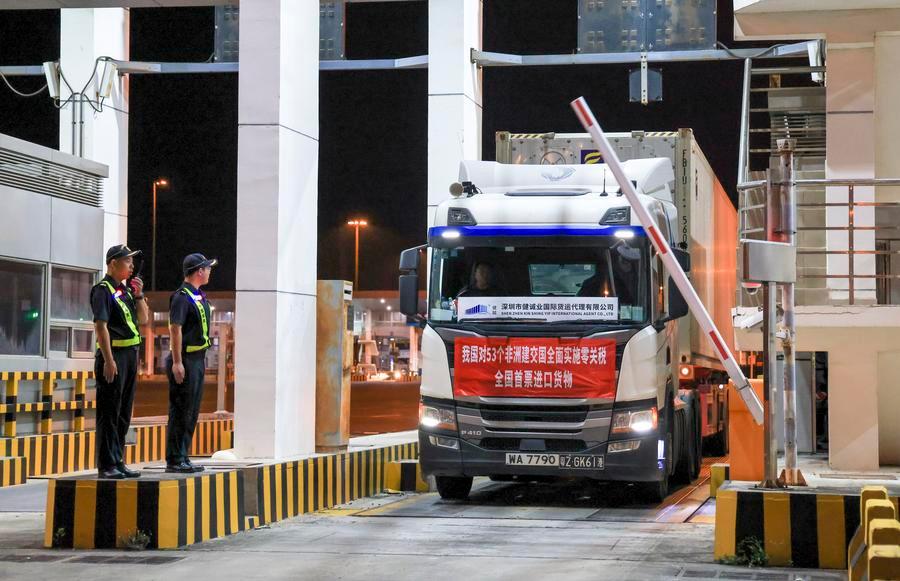
South African political analyst Sandile Swana highlighted greater opportunities arising from the widened access to the Chinese market, hailing the measure as "an unequaled opportunity" for African exporters.
"The initiative aligns with the vision of (Agenda) 2063, as well as the efforts of regional bodies such as the Southern African Development Community to integrate and diversify their economies," he said, emphasizing that the size of the opportunity that China has opened up for African countries is significant.
Swana added that African countries still need to undertake "the technical work of preparing" to strengthen their manufacturing capacity and production readiness so they can securely integrate into China's supply chains and fully benefit from the new tariff-free access.
Echoing Swana, Tabani Moyo, research fellow with the Graduate School of Business and Leadership at the University of KwaZulu-Natal, said Africa should seize the opportunity presented with China's vast consumer market.
"African products must take this opportunity to stimulate trade between their countries and China, because of the sheer size of China in terms of consumption and the broader industries that are in China," he said.
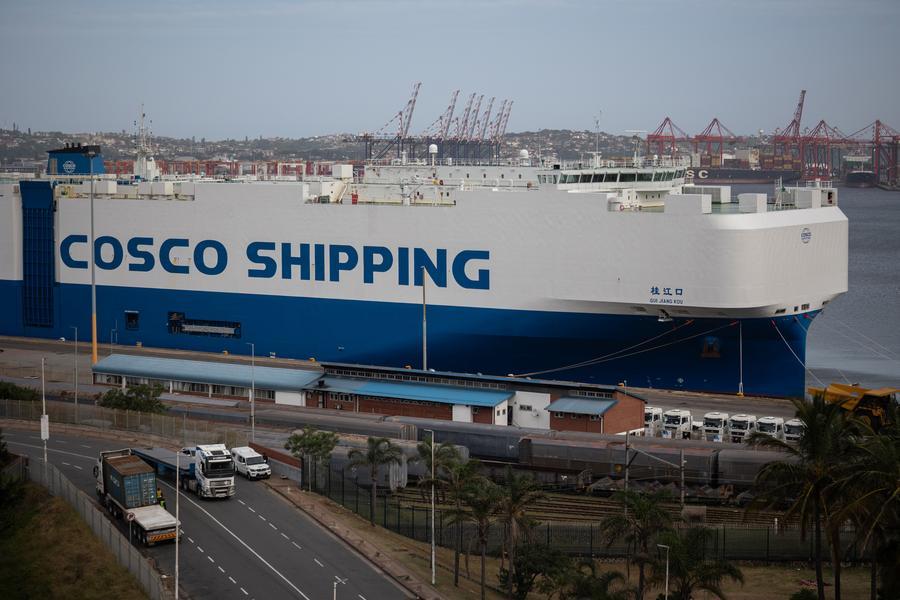
Moyo added that as African countries prioritize industrialization and value-added production, China's zero-tariff treatment helps promote more predictable and stable supply-chain partnerships in an increasingly uncertain global economic environment.
Mikatekiso Kubayi, senior researcher at the Institute for Global Dialogue, an independent South African-based foreign policy think tank, said the policy "has a multiplier effect" and "presents an opportunity for industrialization and reinvestment."
Increased production linked to export opportunities would support employment and benefit local businesses, especially small and medium-sized enterprises, Kubayi added.
Mammo Muchie, a professor at Tshwane University of Technology in Pretoria, South Africa, said: "China is reducing tariffs, which supports African economies and allows African exports to come to China, and this makes the Africa-China relationship stronger."








 Android版
 iPhone版